Pamukkale Day Trip: Your Ultimate Planning Guide & Itinerary
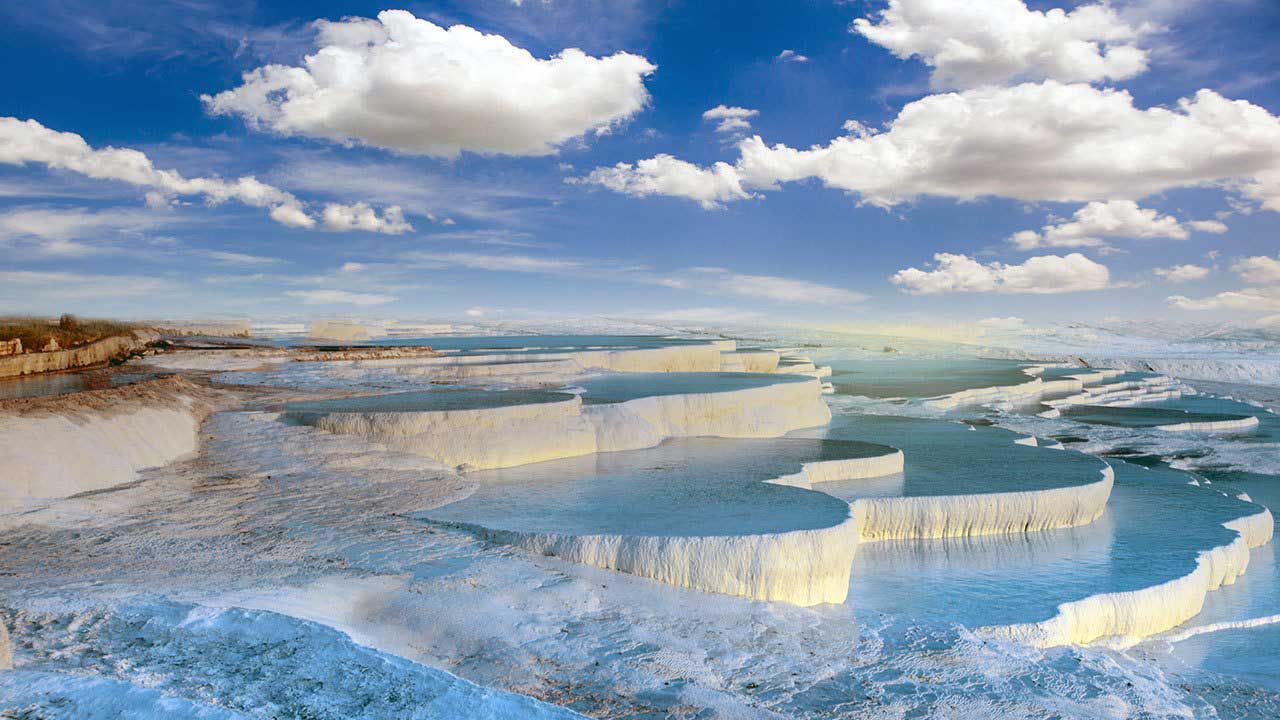
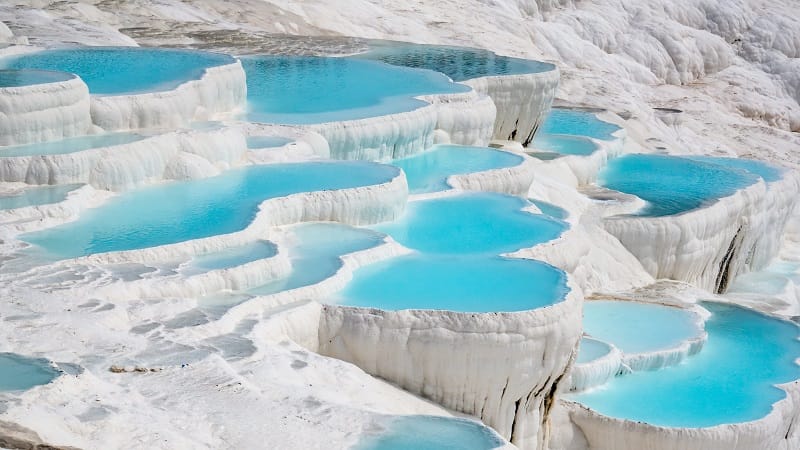
Imagine stepping onto a landscape that looks like it's dusted with snow, where cascading white terraces cradle turquoise thermal pools under the Anatolian sun. Pamukkale, Turkey's breathtaking 'Cotton Castle,' is a UNESCO World Heritage site that promises an unforgettable experience.
But how do you transform this dream into a seamless reality, especially when you only have one day? This comprehensive guide cuts through the noise, providing you with actionable strategies, optimized itineraries, and insider tips to ensure your Pamukkale day trip is nothing short of perfect. We’ll show you exactly how to beat the crowds, navigate the site efficiently, and make the most of every moment.
Why Pamukkale is Worth the Day Trip (Even with Crowds)
Pamukkale isn't just a pretty picture; it's a geological marvel and a historical treasure trove. Understanding its appeal is the first step to appreciating its value, even within a limited timeframe.
The Unique Appeal of the Travertines
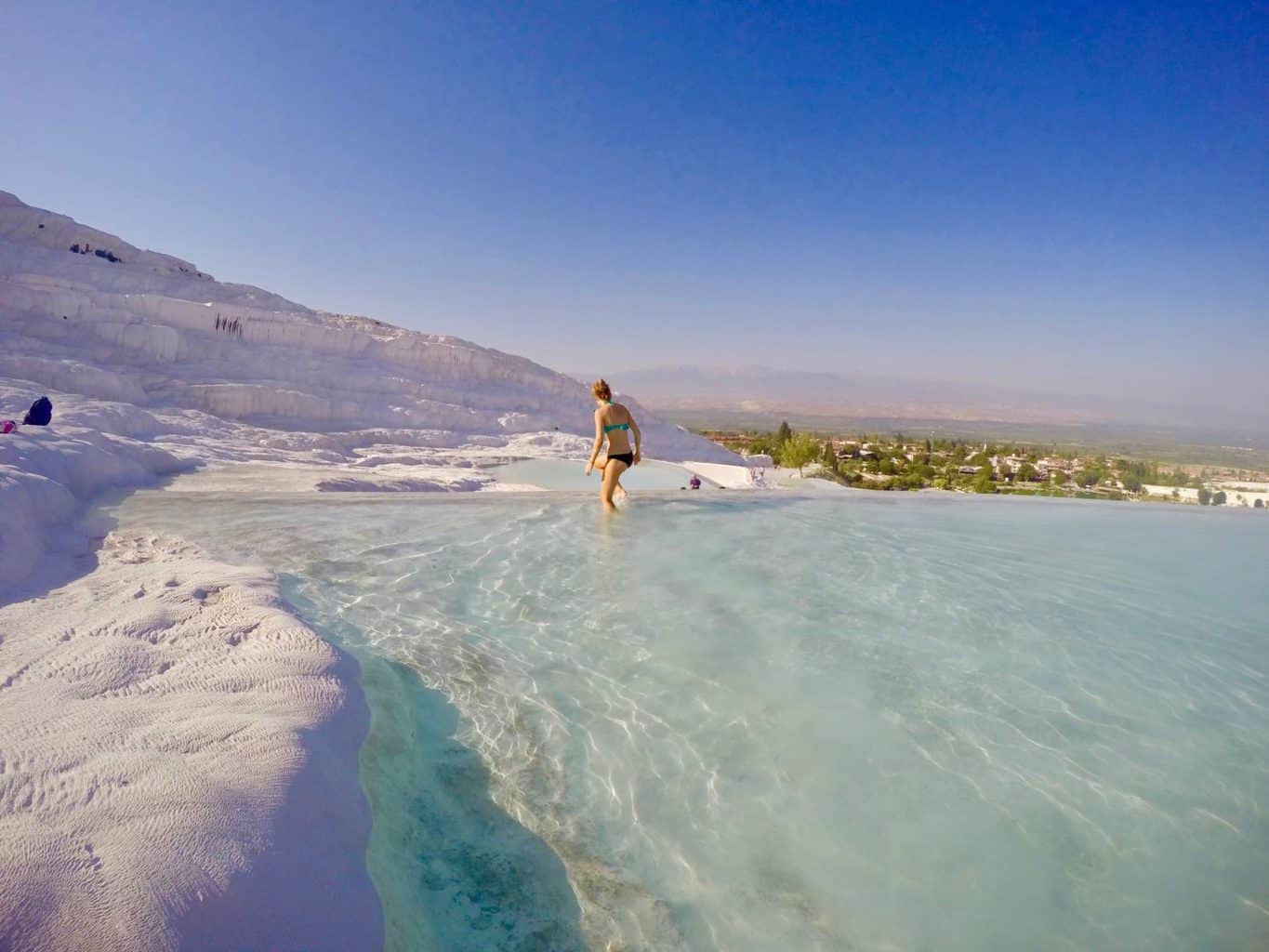
Pamukkale, meaning "Cotton Castle" in Turkish, is a geological wonder formed over millennia. The terraces are created by calcium carbonate deposits left by the flowing thermal waters. This natural phenomenon has earned it a spot on the UNESCO World Heritage Site list, a testament to its global significance and unique beauty. The visual spectacle of these white, tiered pools is unlike anything else on Earth.
Beyond the Terraces: Hierapolis Ancient City
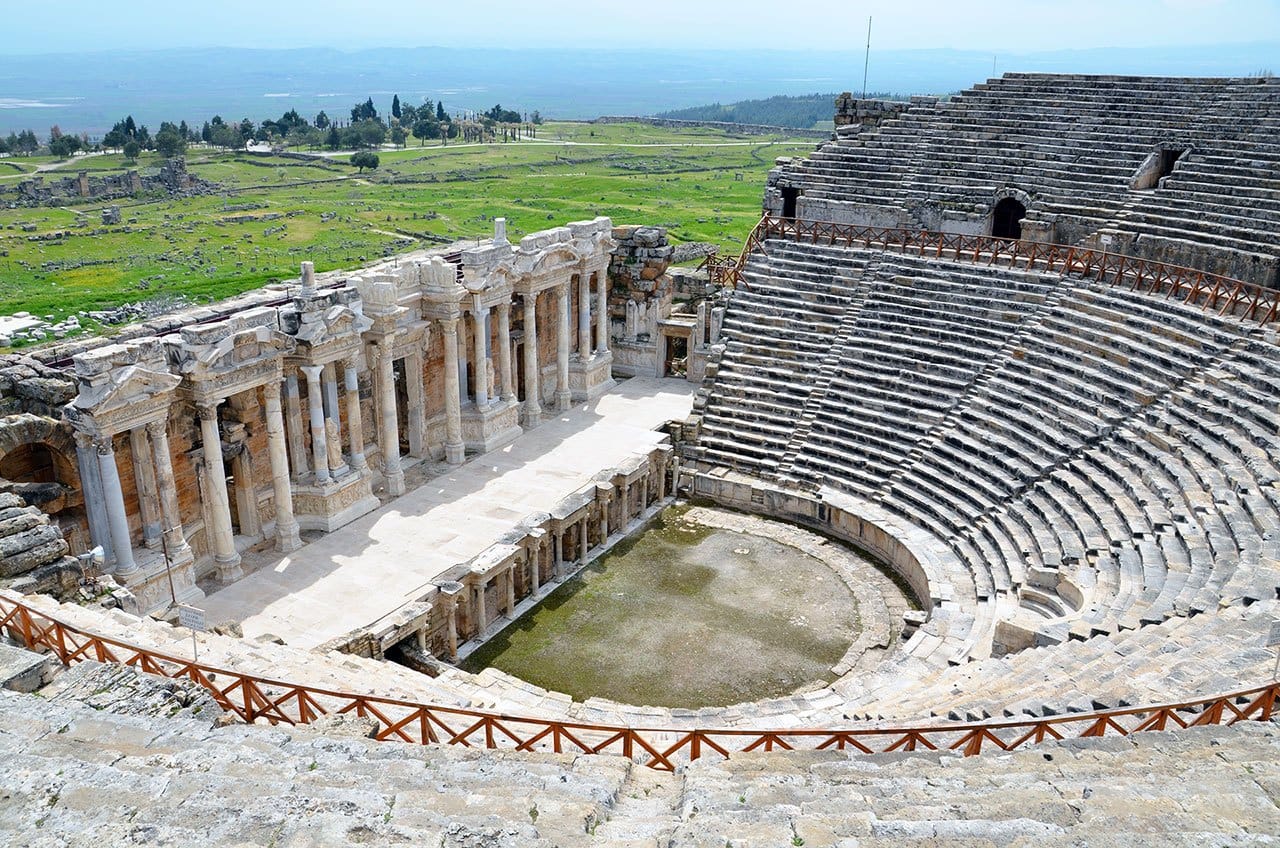
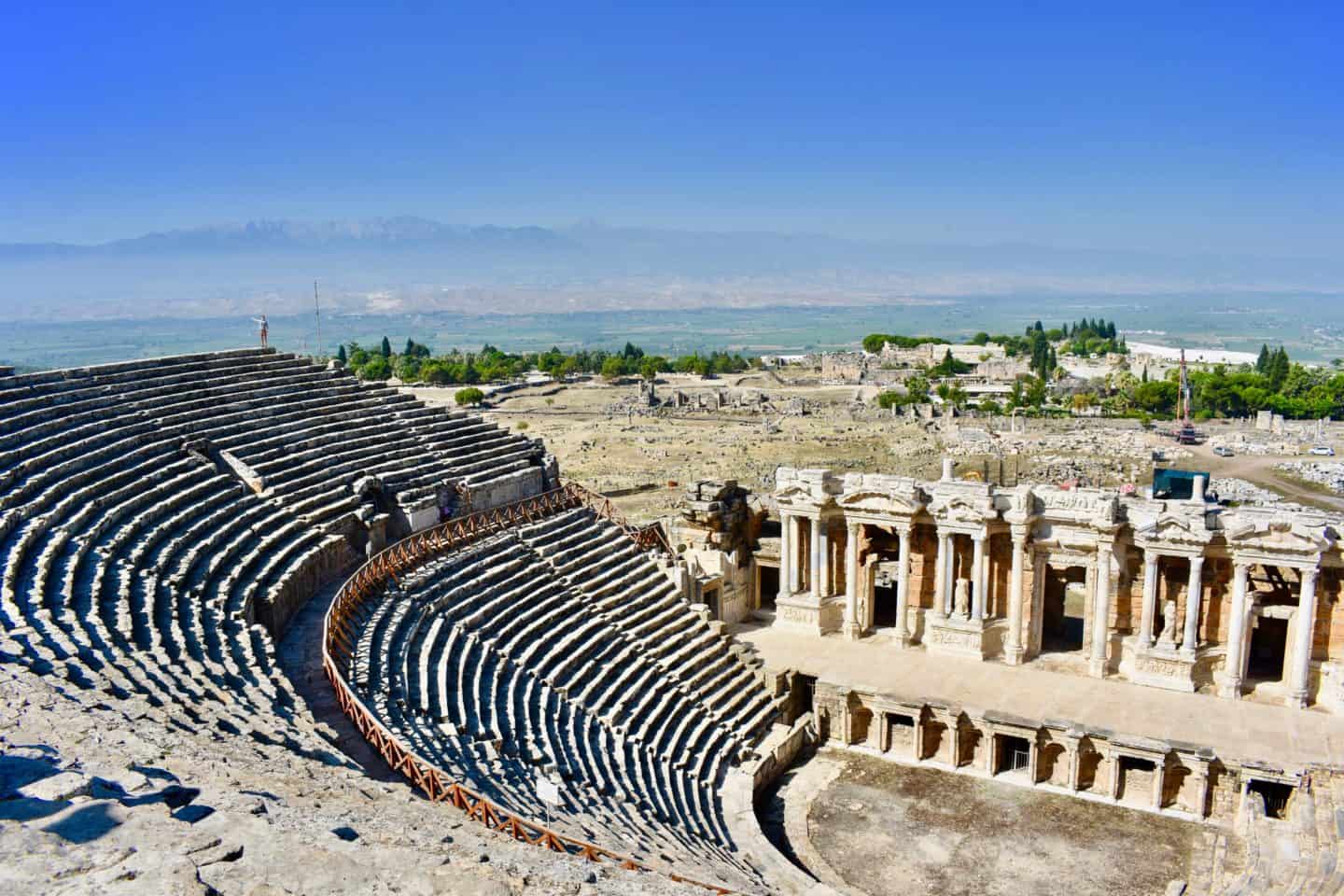
What many overlook is that Pamukkale is intrinsically linked with the ancient Greco-Roman city of Hierapolis. Perched atop the travertines, Hierapolis offers a deep dive into history. You can explore a remarkably well-preserved Roman theatre, wander through an extensive necropolis (cemetery), and discover the remnants of temples, bathhouses, and colonnaded streets. It's a comprehensive historical experience integrated with the natural wonder.
Managing Expectations: The Reality of a Day Visit
Let's be clear: Pamukkale is a popular destination, and crowds are a reality, especially during peak season and midday. However, a day trip doesn't have to be a frustrating experience. By strategically planning your visit – timing your arrival, choosing your entry gate, and prioritizing your activities – you can mitigate the impact of crowds and still have a highly rewarding experience. While an overnight stay allows for a more relaxed pace, a well-executed day trip can absolutely capture the essence of Pamukkale.
The Crucial Factor: Best Time to Visit Pamukkale
Timing is not just important; it's your secret weapon against crowds and heat. Get this wrong, and your day trip can quickly devolve into a frustrating ordeal.
Seasonality: When to Go for Optimal Experience
- Spring (April-June) & Autumn (September-November): These are your prime windows. The weather is pleasant, typically warm but not scorching, and the crowds, while present, are generally more manageable than in the peak summer months.
- Summer (July-August): Expect intense heat and significant crowds. If visiting during these months, an early morning start is non-negotiable, and hydration is paramount.
- Winter (December-March): Cooler temperatures, potential for rain, but significantly fewer tourists. It offers a more serene experience, though swimming might be less appealing.
Time of Day: Your Secret Weapon Against Crowds
This is where strategic planning truly pays off.
- Early Morning (Opening - 9:30 AM): This is the golden hour. Aim to be at the entrance gate 30 minutes before opening. You'll have a significant advantage, allowing you to explore the lower, less crowded terraces and Hierapolis before the main influx of tour buses and day-trippers arrive.
- Late Afternoon (3:00 PM onwards): This is your second-best option. As day-trippers begin to depart, the crowds start to thin out. This timing also offers beautiful golden hour light for photography.
- Midday (10:00 AM - 2:00 PM): This is peak time. Unless you have no other choice, actively try to avoid these hours on the main travertine terraces.
- Featured Snippet Opportunity: What's the best time of day to visit Pamukkale? Aim to be at the entrance gate 30 minutes before opening.
Daily Itinerary Timing Considerations
Factor in your travel time. If you're coming from Antalya (3-3.5 hours), an early departure is essential to gain any advantage from arriving early. If coming from Istanbul via flight, account for airport transfers.
Pamukkale Day Trip Logistics: Getting There from Major Hubs
Understanding your departure point is critical for accurate time and transport planning. A day trip requires precision, not guesswork.
Understanding Your Departure Point
Most travelers undertaking a day trip will be coming from popular coastal or inland tourist centers.
From Antalya
- Travel Time: Approximately 3 to 3.5 hours by road.
- Transport Options:
- Bus: The most common and affordable option. Numerous bus companies operate routes to Denizli, from where you can catch a short minibus (dolmuş) ride to Pamukkale village. Book tickets in advance, especially during peak season.
- Car/Rental: Offers the most flexibility, allowing you to depart on your schedule and potentially stop en route.
- Actionable Tip: Book bus tickets in advance, especially during peak season.
For more travel ideas, check our guide on (geziyosun.com/antalya-gezilecek-yerler).
From Fethiye
- Travel Time: Around 3 hours by road.
- Transport Options: Similar to Antalya, buses are plentiful, connecting Fethiye to Denizli, followed by a minibus to Pamukkale. Rental cars offer flexibility.
From Kusadasi/Izmir
- Travel Time: Roughly 3 hours from Kusadasi and 3 to 3.5 hours from Izmir.
- Transport Options: Buses are readily available from both locations to Denizli. Organized day tours are also very popular from Kusadasi, often bundling transport and guided access.
Discover more about the region in our (geziyosun.com/izmir-gezilecek-yerler) guide.
From Istanbul (The Long Haul Day Trip)
- Crucial Caveat: A true day trip from Istanbul by road is highly unadvisable. The 7-8 hour drive each way would consume your entire day and leave you exhausted with minimal time at the site.
- Realistic Option: Fly from Istanbul (IST or SAW) to Denizli Çardak Airport (DNZ). The flight is about 1 hour. From Denizli airport, it's approximately a 1-hour transfer to Pamukkale village.
- Recommendation: If coming from Istanbul for a "day trip" experience, it's far more practical to fly to Denizli, spend the day, and fly back, or ideally, extend your stay to include an overnight in Pamukkale or Denizli for a less rushed experience.
Getting from Denizli to Pamukkale
If you arrive by bus or plane to Denizli, you'll need to reach Pamukkale village.
- Minibuses (Dolmuş): These are frequent and affordable. From Denizli Otogar (main bus station), head to the lower level (often accessed via escalator) and look for minibuses heading to Pamukkale. They run regularly throughout the day.
Crafting Your Perfect Pamukkale Day Trip Itinerary
This is not about seeing Pamukkale; it's about experiencing it efficiently and memorably. This itinerary prioritizes crowd avoidance and maximizes your time on-site.
The "Smart Traveler's" Pamukkale Day Trip (Optimized for Efficiency & Experience)
- Pre-Visit: Purchase tickets online if possible to save time at the entrance. Check the official website for the most current opening hours and any specific rules.
- Morning (7:30 AM - 11:00 AM): Arrive Early & Conquer the Terraces
- Entry Point: Aim for the North Gate or the Town/West Gate. Entering from the North allows you to see Hierapolis first and then walk down to the travertines. The Town/West Gate allows you to walk up the terraces from the bottom, often less crowded initially.
- Action: Walk barefoot up the travertine terraces. Focus on capturing photos before the main crowds build. Stick to the designated paths to protect the delicate formations and respect the site's rules.
- Crowd Management Tip: Explore the outer edges of the terraces first, or head directly towards Hierapolis if entering from the North.
- Late Morning (11:00 AM - 1:00 PM): Hierapolis & The Museum
- Ascend to Hierapolis. Explore the Ancient City ruins, focusing on the magnificent Theatre and the vast Necropolis. If time permits and you have an interest in ancient artifacts, a brief visit to the Hierapolis Archaeological Museum (located in the old Roman bathhouse) is worthwhile.
- Midday (1:00 PM - 2:30 PM): Cleopatra's Pool & Lunch
- Cleopatra's Pool: This is an optional but popular activity.
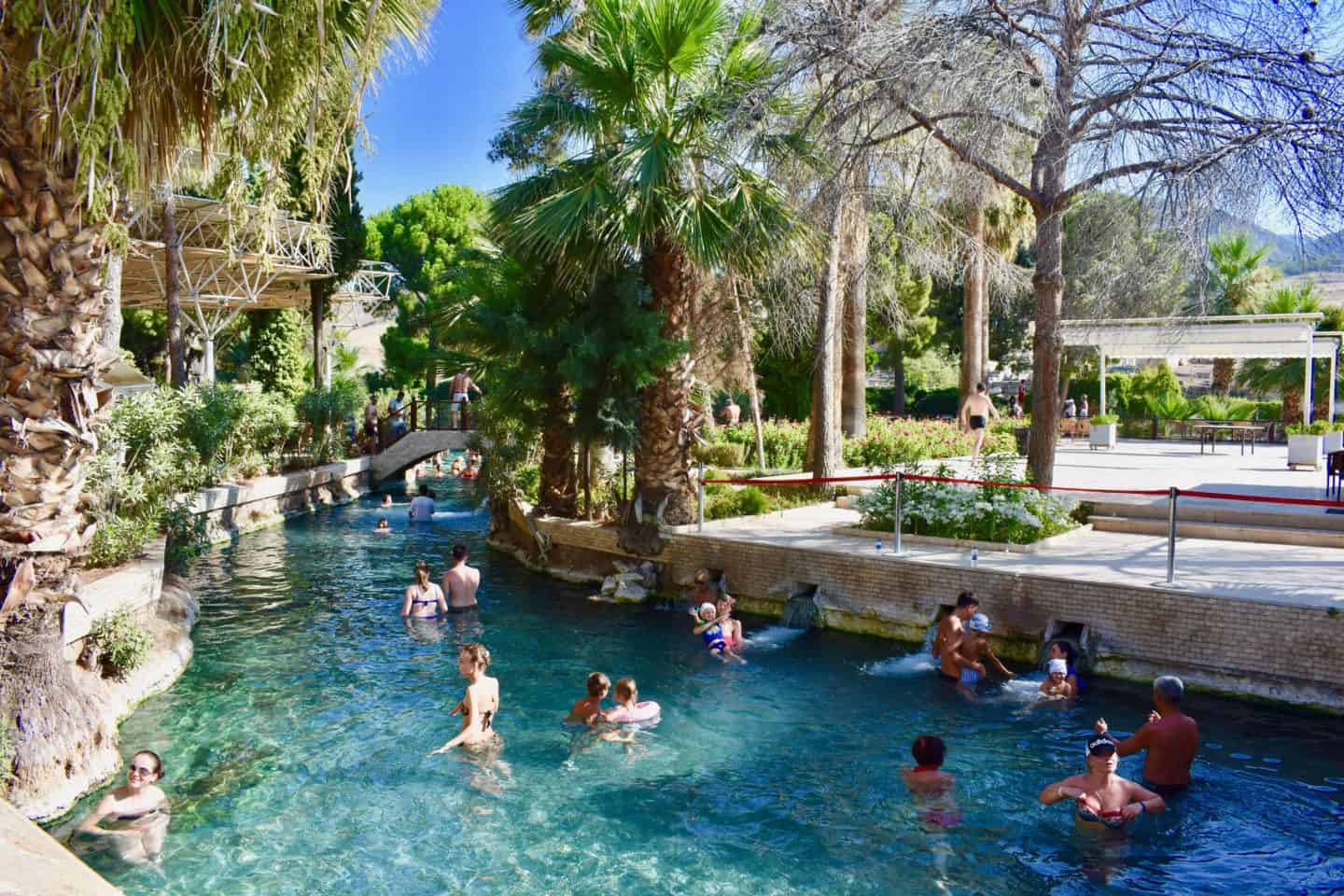
- Pros: Swim in warm, mineral-rich waters surrounded by ancient Roman columns. It's a unique, albeit commercialized, experience.
- Cons: It incurs an additional fee (approximately €30-€40), can be very crowded, and the atmosphere is more resort-like than historical.
- Actionable Advice: Consider skipping the swim if you're on a tight schedule or budget, and focus on the free terraces and Hierapolis. The visual appeal of the pool itself is secondary to the main site.
- Lunch: Options include cafes near Cleopatra's Pool (convenient but pricey and often crowded) or, ideally, a packed picnic.
- Tip: Pack snacks and water to save time and money, and enjoy them in designated picnic areas.
- Cleopatra's Pool: This is an optional but popular activity.
- Afternoon (2:30 PM - 4:00 PM): Final Exploration & Departure
- Revisit a favorite spot on the terraces, explore any missed corners of Hierapolis, or simply relax and soak in the views.
- Begin your descent towards your chosen exit gate. If you timed your visit for sunset, find a good vantage point on the terraces. Otherwise, head back to your transport hub.
- Featured Snippet Opportunity: How long does it take to visit Pamukkale? A comprehensive day trip covering the travertines, Hierapolis, and potentially Cleopatra's Pool usually requires 4-6 hours on-site.
Pamukkale Day Trip Essentials: What to Pack & Wear
Being prepared is non-negotiable. Pack smart to ensure comfort and maximize your ability to explore.
Clothing: Practicality Meets Comfort
- Lightweight, Breathable Clothing: Cotton, linen, or moisture-wicking fabrics are ideal for the Turkish climate.
- Swimsuit: Essential if you plan to swim in Cleopatra's Pool or any designated travertine pools. Wear it underneath your clothes for efficiency.
- Cover-up: A light sarong, tunic, or t-shirt for modesty when not swimming or transitioning between sites.
- Sun Protection: A wide-brimmed hat, sunglasses (the glare off the white terraces is intense), and high SPF sunscreen are critical.
- Comfortable Shoes: Slip-on shoes, sandals, or flip-flops are best. You'll be walking barefoot on the terraces, so easy on/off footwear saves time and hassle. Avoid hiking boots or complex footwear.
- Water: Carry a reusable water bottle. Refill stations might be available, but it's wise to start with a full one.
- Small Backpack: A daypack or crossbody bag to comfortably carry your essentials.
- Camera/Phone: With extra battery or a power bank. The photo opportunities are endless.
- Cash: For smaller purchases, potential tips, or if card facilities are limited at certain points.
What NOT to Bring
- Large Bags: They are cumbersome on the site and offer limited secure storage.
- Valuables: Only bring what is essential.
- Shoes on the Terraces: You will be asked to remove them.
Navigating Pamukkale: Entrances, Rules, and Fees
Understanding the site's layout, regulations, and costs is key to a smooth visit.
Understanding the Entrances
- West/Town Entrance: Located in Pamukkale village, this is often the most convenient for those arriving by minibus from Denizli. It leads directly to the base of the travertines.
- North Gate: A good option if you want to explore Hierapolis first. It's often used by organized tours. From here, you'll walk down to the terraces.
- South Gate: Typically the endpoint for tours coming from the north, it's closest to the main cluster of attractions like the theatre and Cleopatra's Pool.
- Recommendation: For a day trip focused on maximizing time and avoiding initial crowds, entering from the North and exiting via the West (or vice versa) is often recommended for a more varied experience.
Pamukkale Entrance Fees & What's Included
- Approximate Fee: For foreign tourists, expect to pay around €30-€40. Prices are subject to change, so always verify with official sources.
- What the Ticket Covers: Entry to both the Pamukkale travertine terraces and the Hierapolis ancient city.
- Cleopatra's Pool: Access to swim in Cleopatra's Pool requires an additional fee.
- Museum Pass Turkey: If you possess a Museum Pass, it might cover entry to Hierapolis and its museum, but check the specific validity for Pamukkale.
Rules & Etiquette
Adhering to these rules ensures the preservation of this natural wonder and a positive experience for everyone.
- No Shoes on Travertines: This is mandatory to protect the delicate calcium formations.
- No Food/Drinks on Terraces: Designated areas are available for eating and drinking.
- No Artificial Pools: Only walk in the natural, flowing pools on the terraces.
- Respect Ancient Ruins: Do not climb on, touch, or damage any historical structures.
- Photography: Allowed, but be mindful of other visitors and sensitive areas.
Accessibility
- Travertines: Due to their natural, often wet, and uneven surfaces, the travertines have limited accessibility for wheelchairs or those with mobility issues.
- Hierapolis: Some paths within the ancient city might be more accessible, but significant walking is still involved. The museum is generally more accessible.
Common Pamukkale Day Trip Pitfalls to Avoid
Forewarned is forearmed. Knowing these common mistakes can save your day trip from disaster.
Mistake #1: Underestimating Crowds
- The Problem: Many visitors arrive midday or without a plan to avoid peak hours, leading to packed terraces and a diminished experience.
- The Solution: Reiterate the "early bird" or "late visitor" strategy. If arriving midday is unavoidable, focus on Hierapolis first, as it tends to disperse crowds more effectively.
Mistake #2: Poor Logistics Planning
- The Problem: Not booking transport in advance, underestimating travel times, or missing the last minibus back to Denizli.
- The Solution: Plan your transport meticulously. Know your bus company, departure times, and the frequency of minibuses from Denizli to Pamukkale. Factor buffer time for travel.
Mistake #3: Forgetting Essentials
- The Problem: Arriving without sunscreen, improper footwear, or insufficient water can quickly turn a great day into an uncomfortable one.
- The Solution: Refer back to the "What to Pack" section. Sun protection and appropriate footwear are non-negotiable for comfort and safety.
Mistake #4: Over-reliance on Cleopatra's Pool
- The Problem: Spending too much time and money at Cleopatra's Pool, neglecting the vast historical and natural wonders of the main site.
- The Solution: View Cleopatra's Pool as an optional add-on. Prioritize exploring the free travertine terraces and Hierapolis for a more impactful experience within a day trip.
Mistake #5: Not Integrating Hierapolis
- The Problem: Treating Pamukkale as just the white terraces and missing the rich historical context of Hierapolis.
- The Solution: Emphasize that the ticket covers both. Allocate dedicated time for exploring the ancient city's theatre, necropolis, and other ruins.
Frequently Asked Questions (FAQs) for Your Pamukkale Day Trip
This section addresses common queries, aiming for featured snippets and providing quick, valuable answers.
- Q: How long does a Pamukkale day trip typically take?
- A: A thorough day trip covering the travertines, Hierapolis, and potentially Cleopatra's Pool usually requires 4-6 hours on-site. Factor in travel time from your departure city.
- Q: What is the best time of year to visit Pamukkale?
- A: Spring (April-June) and Autumn (September-November) offer the most pleasant weather and fewer crowds.
- Q: What should I wear to Pamukkale?
- A: Lightweight clothing, swimwear, comfortable slip-on shoes, and sun protection (hat, sunglasses, sunscreen). You'll be barefoot on the terraces.
- Q: Is Pamukkale worth a day trip from [Antalya/Fethiye/Kusadasi]?
- A: Yes, absolutely, provided you plan your timing strategically to maximize your on-site experience and account for travel.
- Q: What is the entrance fee for Pamukkale?
- A: As of [mention year, e.g., 2025], the entrance fee is approximately €30-€40 for foreign tourists. Cleopatra's Pool is an additional cost. Always check the latest official prices.
- Q: Can I swim in the Pamukkale terraces?
- A: Swimming is restricted to designated pools to protect the delicate travertine formations. Cleopatra's Pool offers a more extensive swimming experience.
- Q: How do I avoid crowds at Pamukkale?
- A: Arrive at opening time or late afternoon, enter via the North or West gate, and focus on exploring Hierapolis before the main rush.
- Q: Is Pamukkale accessible for people with mobility issues?
- A: While some areas of Hierapolis have accessible paths, the travertines themselves are challenging due to their natural, often wet and uneven surfaces. Limited accessibility.
Conclusion (Call-to-Action & Reinforcement)
By following this guide, you're not just visiting Pamukkale; you're experiencing it strategically, maximizing your time and minimizing the common frustrations. A perfect Pamukkale day trip is not a myth; it's a result of smart planning, realistic expectations, and a focus on efficiency.
Have you planned your Pamukkale day trip? Share your tips or questions in the comments below!
For more Turkish travel inspiration, check out our guides on Best Day Trips from Antalya and Exploring Ancient Ephesus.
Ready to book your adventure? Explore our curated Turkey Tour Packages.